COS
COS
Circle of Safety — WeChat Mini Program for an embedded auto insurance product. End-to-end design from research through production across an 8-week sprint cycle, including content strategy, 3D illustrations, and video banners.

Circle of Safety was an embedded insurance product designed to live inside Zeekr's vehicle ecosystem — a partnership between an automotive brand under the Geely group and Zurich Insurance. The WeChat Mini Program needed to transform complex insurance coverage into something a car buyer would actually want to engage with, right at the point of purchase.
The Brief
The Brief
The client needed a WeChat Mini Program that could present Circle of Safety — an embedded 24-hour accidental death and disablement insurance product — to Zeekr vehicle buyers. The coverage was underwritten by Zurich Insurance, with three tiers ranging from RMB 1.5M to RMB 7M, automatically covering every driver and passenger in the vehicle for three years from purchase.
The product had multiple stakeholders with competing priorities: the insurance partner needed regulatory compliance and clear terms disclosure, the automotive brand wanted premium lifestyle positioning, and the end users — new car buyers — needed to understand what they were getting without drowning in legalese. My job was to reconcile all three into a single, coherent experience within WeChat's mini program constraints.
The client needed a WeChat Mini Program that could present Circle of Safety — an embedded 24-hour accidental death and disablement insurance product — to Zeekr vehicle buyers. The coverage was underwritten by Zurich Insurance, with three tiers ranging from RMB 1.5M to RMB 7M, automatically covering every driver and passenger in the vehicle for three years from purchase.
The product had multiple stakeholders with competing priorities: the insurance partner needed regulatory compliance and clear terms disclosure, the automotive brand wanted premium lifestyle positioning, and the end users — new car buyers — needed to understand what they were getting without drowning in legalese. My job was to reconcile all three into a single, coherent experience within WeChat's mini program constraints.
The Brief
The client needed a WeChat Mini Program that could present Circle of Safety — an embedded 24-hour accidental death and disablement insurance product — to Zeekr vehicle buyers. The coverage was underwritten by Zurich Insurance, with three tiers ranging from RMB 1.5M to RMB 7M, automatically covering every driver and passenger in the vehicle for three years from purchase.
The product had multiple stakeholders with competing priorities: the insurance partner needed regulatory compliance and clear terms disclosure, the automotive brand wanted premium lifestyle positioning, and the end users — new car buyers — needed to understand what they were getting without drowning in legalese. My job was to reconcile all three into a single, coherent experience within WeChat's mini program constraints.
Research & Strategy
Research & Strategy
I started with a two-week discovery sprint: desk research across competing insurance mini programs, market analysis of how automotive brands in China were bundling value-added services, and stakeholder interviews to define user personas and journey maps. The insights shaped everything that followed.
The content strategy was the hardest part. Zurich's term sheet ran to five pages of coverage tables, exclusion clauses, and benefit calculations. I had to restructure this into a content architecture that felt browsable and reassuring — organizing information around what users actually care about (what's covered, how much, what happens if), not how insurers structure their policies. I designed the sitemap and information architecture, then validated it through low-fidelity wireframes with the client before moving to visual design.
I started with a two-week discovery sprint: desk research across competing insurance mini programs, market analysis of how automotive brands in China were bundling value-added services, and stakeholder interviews to define user personas and journey maps. The insights shaped everything that followed.
The content strategy was the hardest part. Zurich's term sheet ran to five pages of coverage tables, exclusion clauses, and benefit calculations. I had to restructure this into a content architecture that felt browsable and reassuring — organizing information around what users actually care about (what's covered, how much, what happens if), not how insurers structure their policies. I designed the sitemap and information architecture, then validated it through low-fidelity wireframes with the client before moving to visual design.
Research & Strategy
I started with a two-week discovery sprint: desk research across competing insurance mini programs, market analysis of how automotive brands in China were bundling value-added services, and stakeholder interviews to define user personas and journey maps. The insights shaped everything that followed.
The content strategy was the hardest part. Zurich's term sheet ran to five pages of coverage tables, exclusion clauses, and benefit calculations. I had to restructure this into a content architecture that felt browsable and reassuring — organizing information around what users actually care about (what's covered, how much, what happens if), not how insurers structure their policies. I designed the sitemap and information architecture, then validated it through low-fidelity wireframes with the client before moving to visual design.
Design Execution
Design Execution
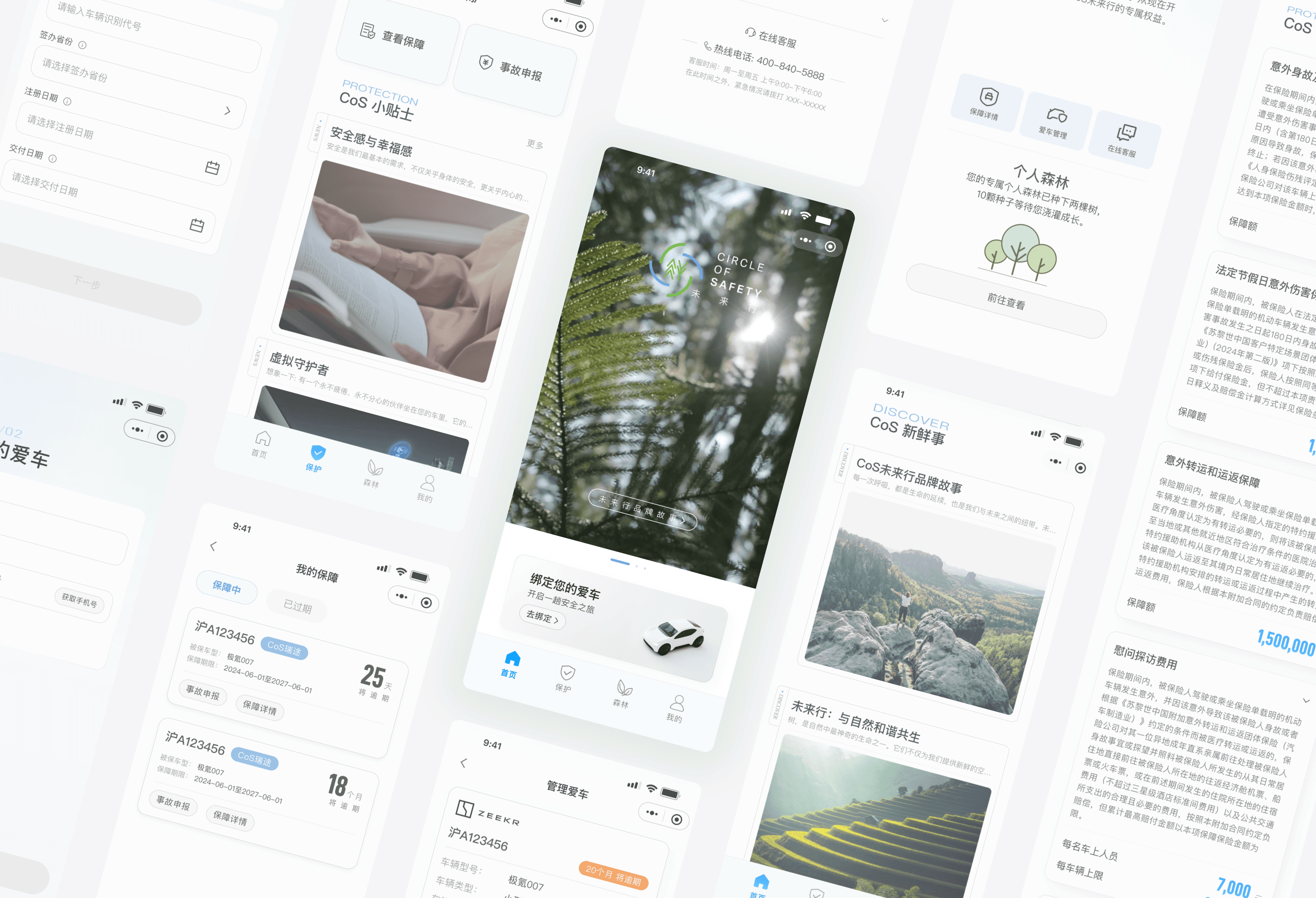
The visual direction drew from nature and protection — a deliberate move away from the clinical aesthetic of most insurance products. I developed a visual theme built around organic forms, forest imagery, and a warm earth-tone palette that positioned safety as something life-affirming rather than fear-driven. This extended into custom 3D illustrations of vehicles and abstract sculptural forms, plus three video banners for the Brand Story, Forest, and Protection pages.
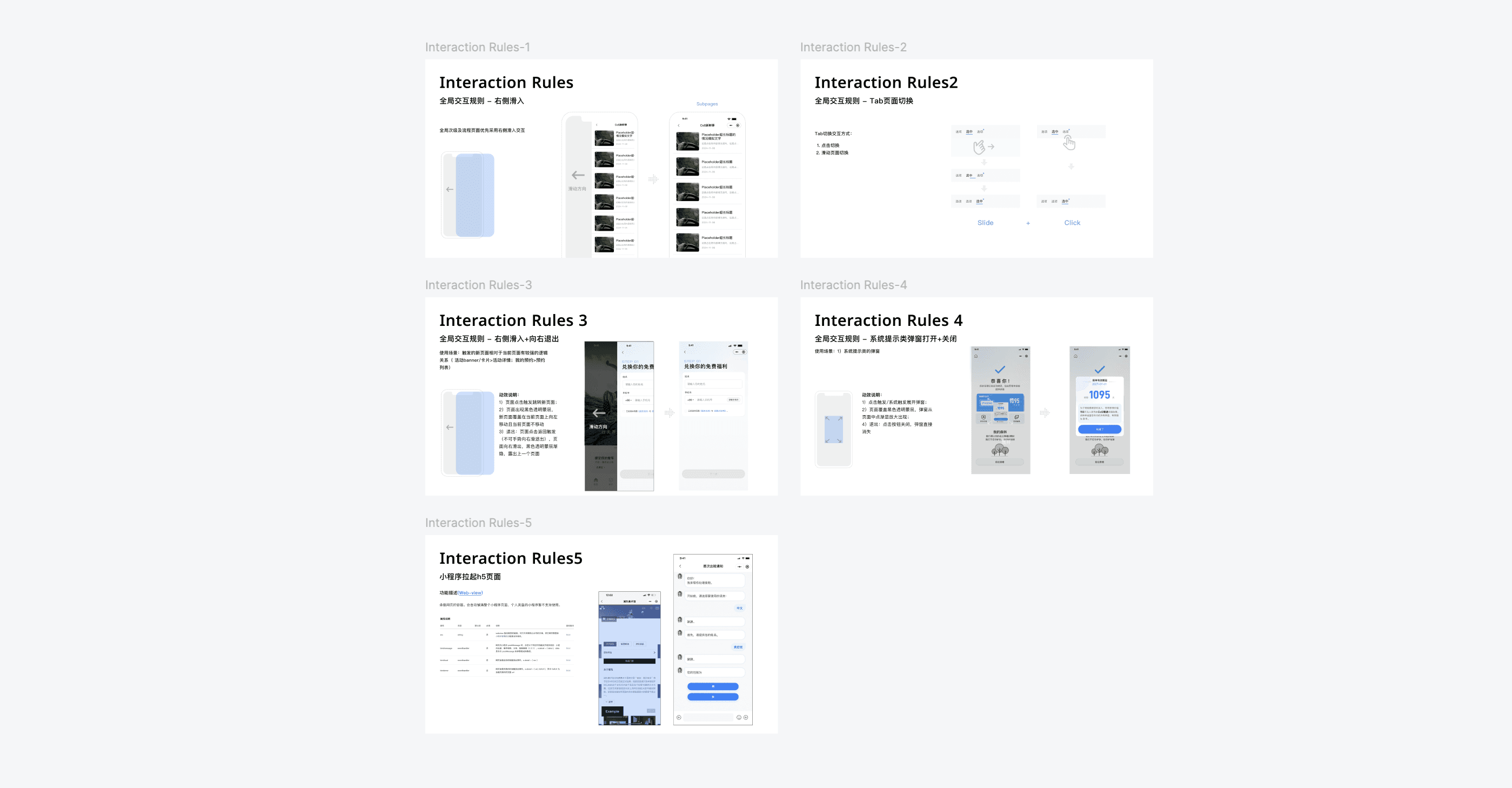
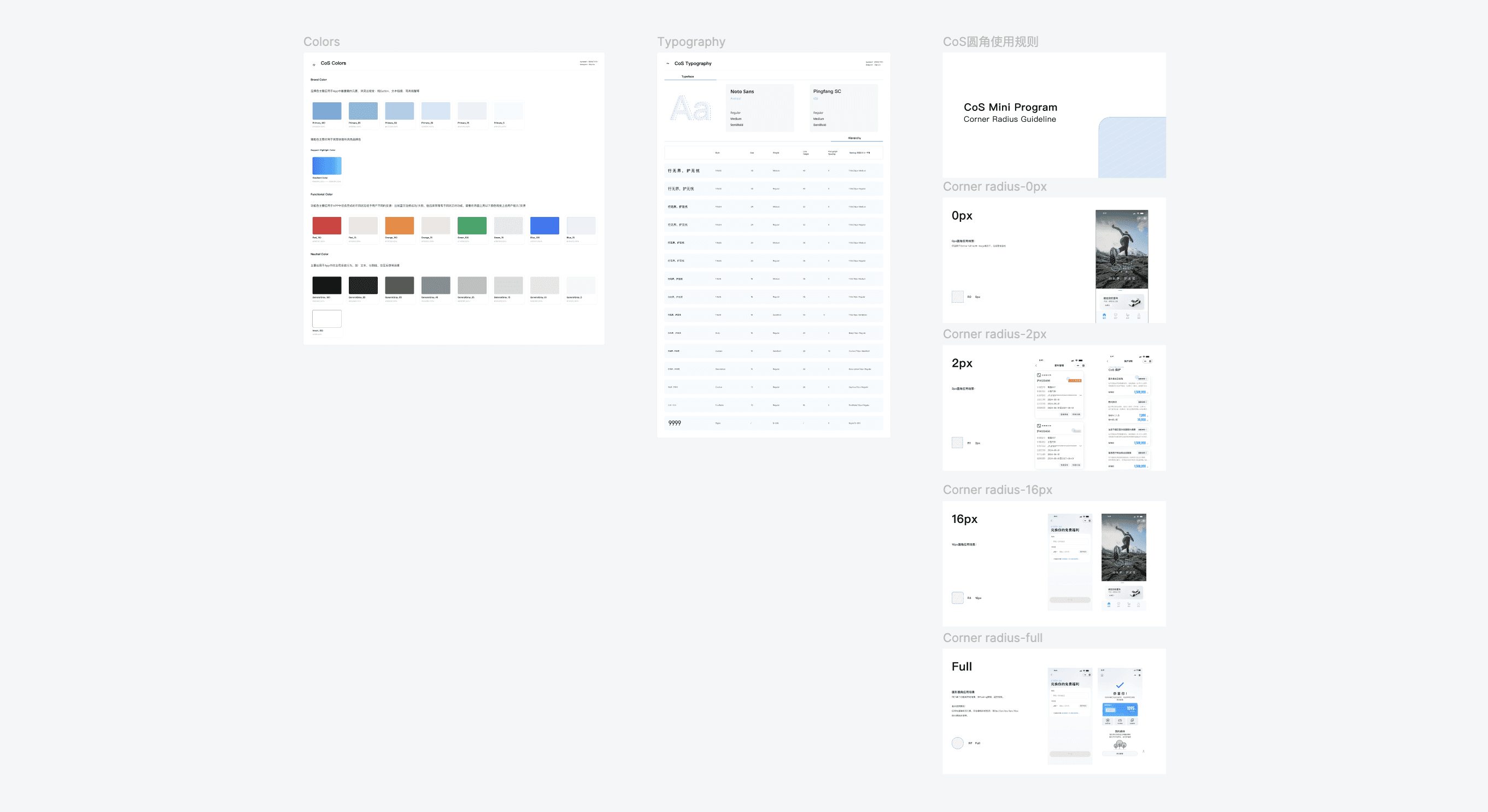
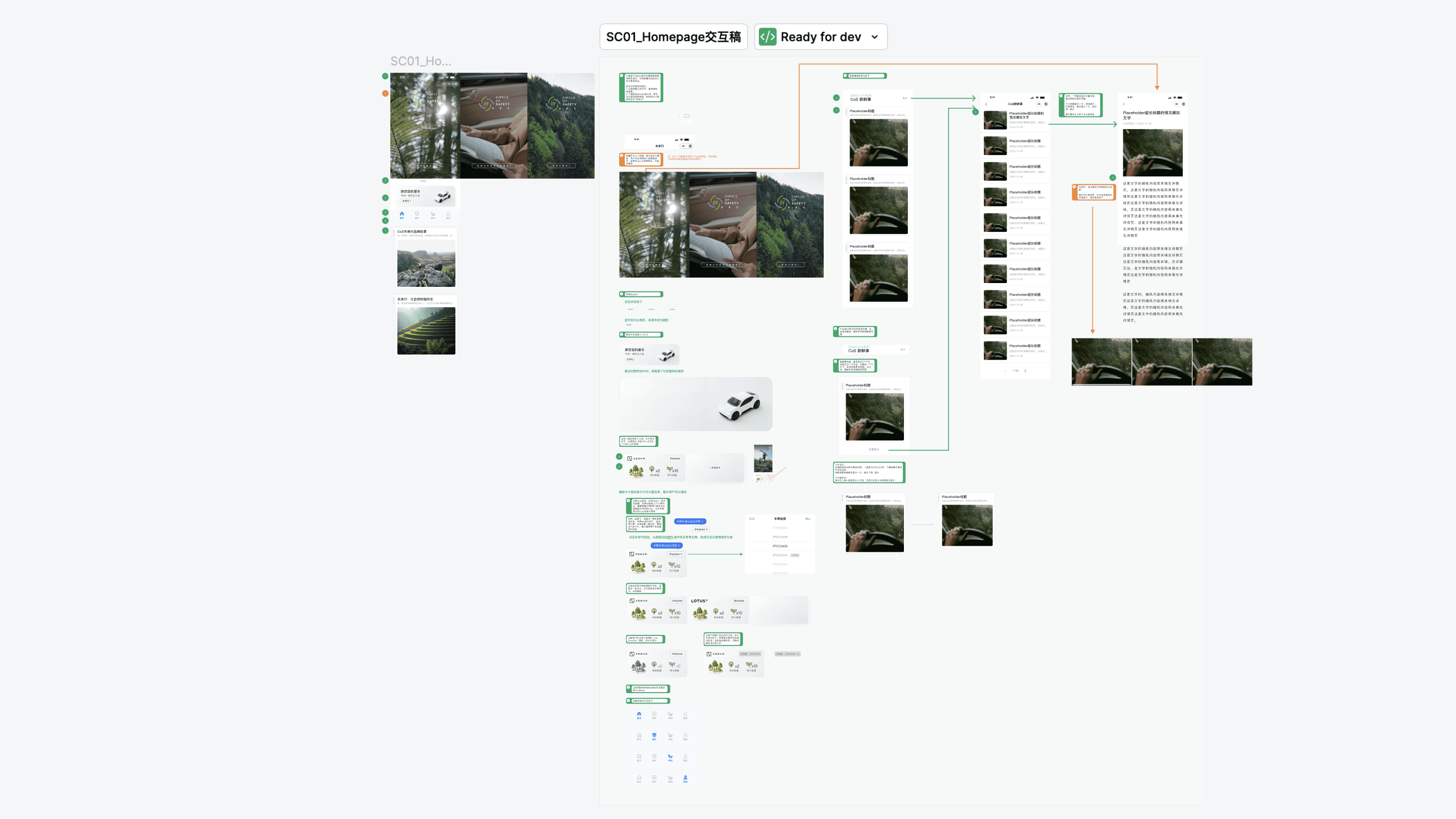
The UI was built across seven sprints: key pages first (Homepage, Car Enrollment, My Account, Car Brand Landing, News), then the design system (components, states, color system, guidelines), then secondary pages, and finally interaction documentation and edge cases for developer handoff. Every screen went through client review cycles with structured feedback and revision windows built into the sprint cadence.
The visual direction drew from nature and protection — a deliberate move away from the clinical aesthetic of most insurance products. I developed a visual theme built around organic forms, forest imagery, and a warm earth-tone palette that positioned safety as something life-affirming rather than fear-driven. This extended into custom 3D illustrations of vehicles and abstract sculptural forms, plus three video banners for the Brand Story, Forest, and Protection pages.
The UI was built across seven sprints: key pages first (Homepage, Car Enrollment, My Account, Car Brand Landing, News), then the design system (components, states, color system, guidelines), then secondary pages, and finally interaction documentation and edge cases for developer handoff. Every screen went through client review cycles with structured feedback and revision windows built into the sprint cadence.
Design Execution
The visual direction drew from nature and protection — a deliberate move away from the clinical aesthetic of most insurance products. I developed a visual theme built around organic forms, forest imagery, and a warm earth-tone palette that positioned safety as something life-affirming rather than fear-driven. This extended into custom 3D illustrations of vehicles and abstract sculptural forms, plus three video banners for the Brand Story, Forest, and Protection pages.
The UI was built across seven sprints: key pages first (Homepage, Car Enrollment, My Account, Car Brand Landing, News), then the design system (components, states, color system, guidelines), then secondary pages, and finally interaction documentation and edge cases for developer handoff. Every screen went through client review cycles with structured feedback and revision windows built into the sprint cadence.
As studio lead at SEMO Design Studio, I took this project from a vague brief — “make a mini program for this insurance thing” — to a fully realized product in eight weeks. No existing brand guidelines, no content strategy, no information architecture. Just a Zurich Insurance term sheet, a Zeekr partnership, and a deadline.
The core design challenge: how do you make insurance — a product built on fear and fine print — feel like something aspirational? How do you present RMB 7,000,000 in accidental death coverage without making someone feel anxious about driving their new car home?
Outcome
Outcome
Delivered the complete WeChat Mini Program design in eight weeks — from initial research through production-ready specs and developer handoff documentation. The deliverables included the full UI design system, interaction specifications with edge case coverage, custom 3D illustrations, three video banners, and a content framework that translated Zurich's insurance terms into user-friendly language across the entire mini program.
The project demonstrated something I care about as a designer: that even the most complex, regulation-heavy products can be made human and approachable through thoughtful information architecture and visual storytelling. Circle of Safety didn't look like insurance — and that was the whole point.
Delivered the complete WeChat Mini Program design in eight weeks — from initial research through production-ready specs and developer handoff documentation. The deliverables included the full UI design system, interaction specifications with edge case coverage, custom 3D illustrations, three video banners, and a content framework that translated Zurich's insurance terms into user-friendly language across the entire mini program.
The project demonstrated something I care about as a designer: that even the most complex, regulation-heavy products can be made human and approachable through thoughtful information architecture and visual storytelling. Circle of Safety didn't look like insurance — and that was the whole point.
Outcome
Delivered the complete WeChat Mini Program design in eight weeks — from initial research through production-ready specs and developer handoff documentation. The deliverables included the full UI design system, interaction specifications with edge case coverage, custom 3D illustrations, three video banners, and a content framework that translated Zurich's insurance terms into user-friendly language across the entire mini program.
The project demonstrated something I care about as a designer: that even the most complex, regulation-heavy products can be made human and approachable through thoughtful information architecture and visual storytelling. Circle of Safety didn't look like insurance — and that was the whole point.


©2026 SIQI LIU
Go Back To Top
©2026 SIQI LIU
Go Back To Top