The future of Application — Disappear?
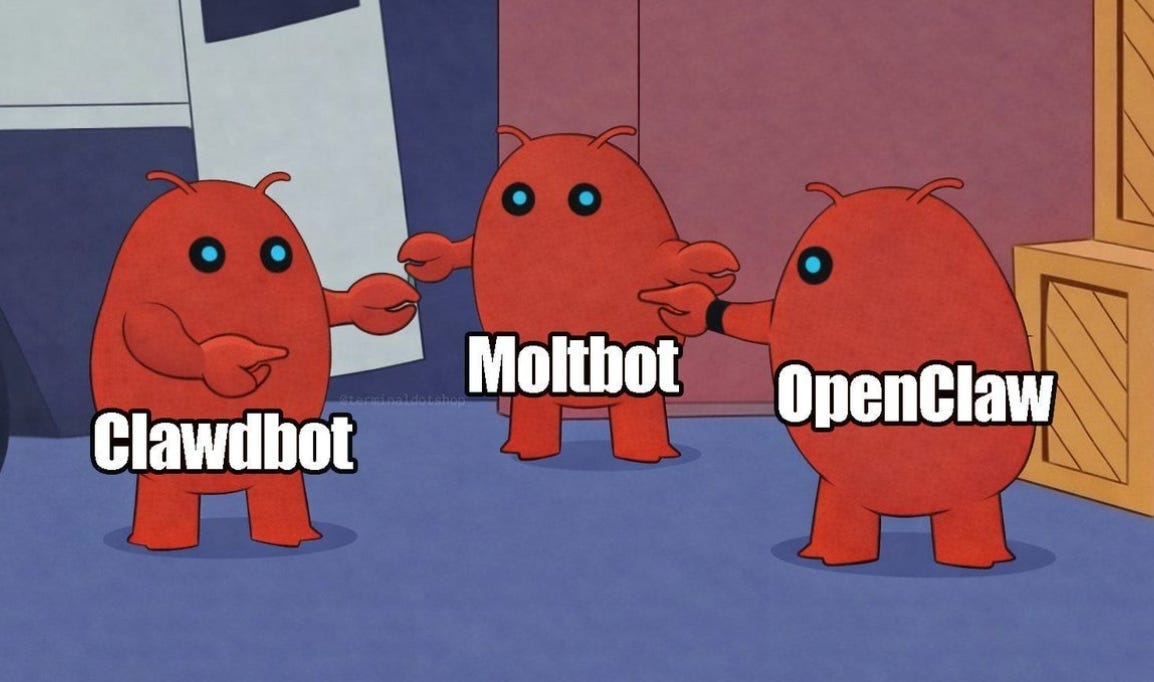
When Claude Code went mainstream toward the end of 2025 and OpenClaw went viral in early 2026, the conversation around AI snapped back to a familiar but newly urgent idea: the AI agent.
An agent that doesn’t just answer questions, but actually does things for you — from conduct research to draft a deck or implement an app.

Suddenly, the habit of reaching for an app to solve a problem felt almost quaint.
Which raises a question worth sitting with:
Will apps as we know them disappear?
Apps Are Becoming Invisible — Not Gone
Here’s something interesting. When you use an agent like OpenClaw on your Mac Mini to manage your inbox, draft designs, and write code, you don’t think about whether it’s opening Outlook or Figma or VS Code. You don’t care. You’re just watching the output, evaluating it, nudging the agent toward something better.
These apps are still there. You just can’t see it anymore.
This became viscerally real during China’s 2026 Spring Festival Gala. Alibaba spent 3 billion RMB on a campaign called “Spring Festival Treat Plan” — encouraging users to order milk tea through Qwen App with just one simple words. No scrolling through a delivery app. No browsing menus. Just: “Get me an oolong milk tea with less sugar.”
Press enter or click to view image in full size
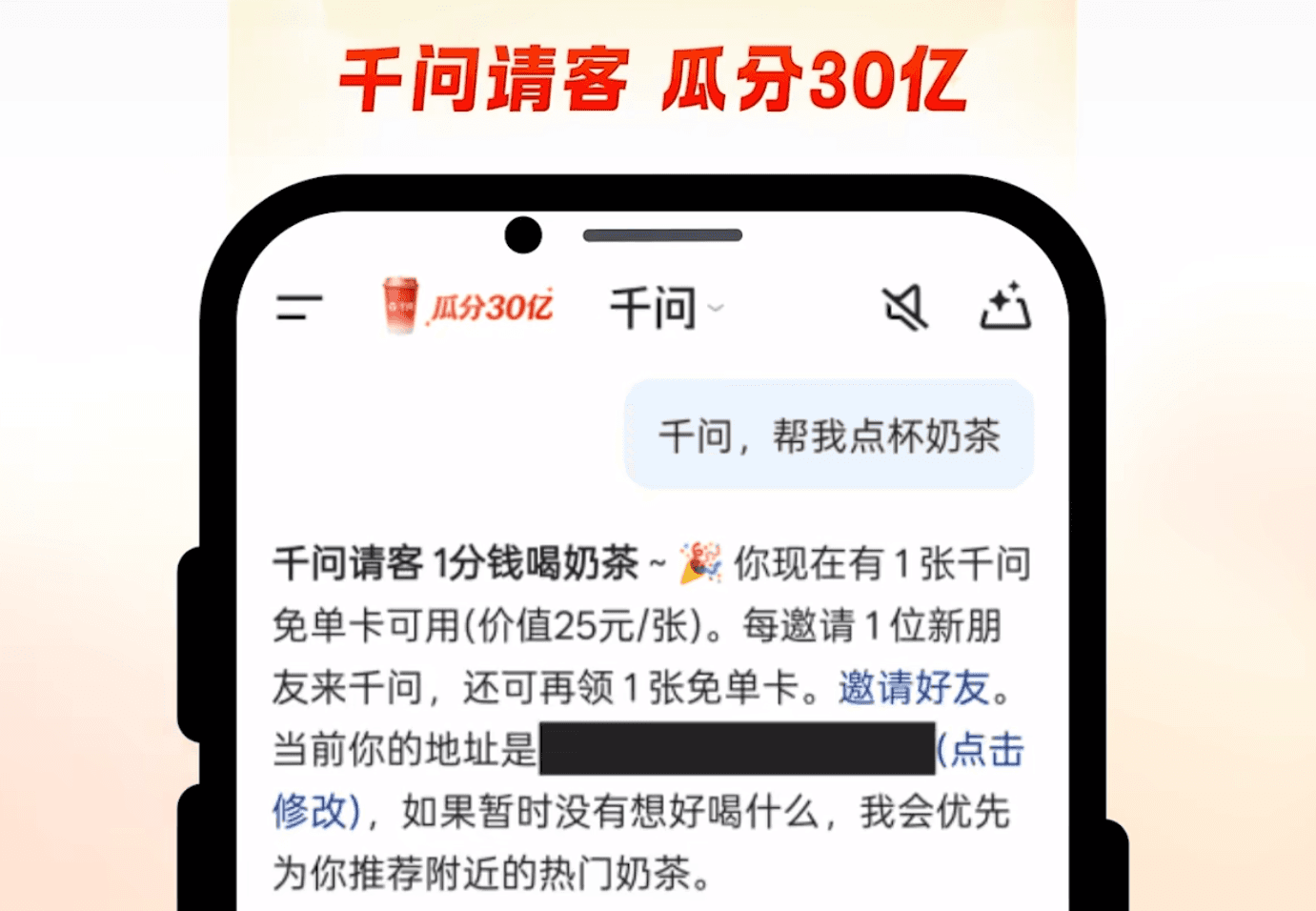
OpenAI had floated similar concepts before, but China’s execution was something else. In the CBDs of major cities, some shops saw queues of over 1,400 orders in a single day. The food delivery app that processed every one of those orders?
Invisible.

(Worth noting: it helps that everything in that chain was an Alibaba product. But the point stands.)
Now extrapolate. When the entry point to every app becomes a chat window with a general-purpose AI, apps stop being products users choose — they become infrastructure the AI calls silently in the background.
Which leads to a design question nobody’s really asking yet:
Are we still designing apps for users — or for AI?
The Rise of the Disposable App
A few weeks ago, I had a pile of PDFs with garbled filenames. I needed them renamed in a consistent format
— Name_Year_Publisher —
and exported to Excel.
I opened Google AI Studio, described what I needed, spent about an hour debugging a small app it generated, then used it for thirty minutes to batch-process everything.
Then I closed it and never opened it again.
Around the same time, my wife used Google AI Studio, GitHub, and Vercel to build a flashcard app for a psychology counseling certification exam she was preparing for. Customized for her specific exam syllabus, her specific weak areas. The day after she passed, she took the app offline.
This is something genuinely new.
Apps have always been designed for a type of user — a persona, a use case broad enough to justify the engineering effort. AI flips that. For the first time, building an app for your exact situation, right now, for the next two hours is actually feasible.
And when the need is that specific and that temporary, the app becomes disposable. No App Store submission. No versioning. Use it, and let it go.
So What’s Left?
If you follow this logic forward, the consumer app market starts to look very different. The apps that survive are probably platforms — the Ubers, the Uber Eats — the ones that coordinate real-world logistics, real-world supply. But even those are quietly becoming backend infrastructure, endpoints that AI models call without ever showing users an icon to tap.
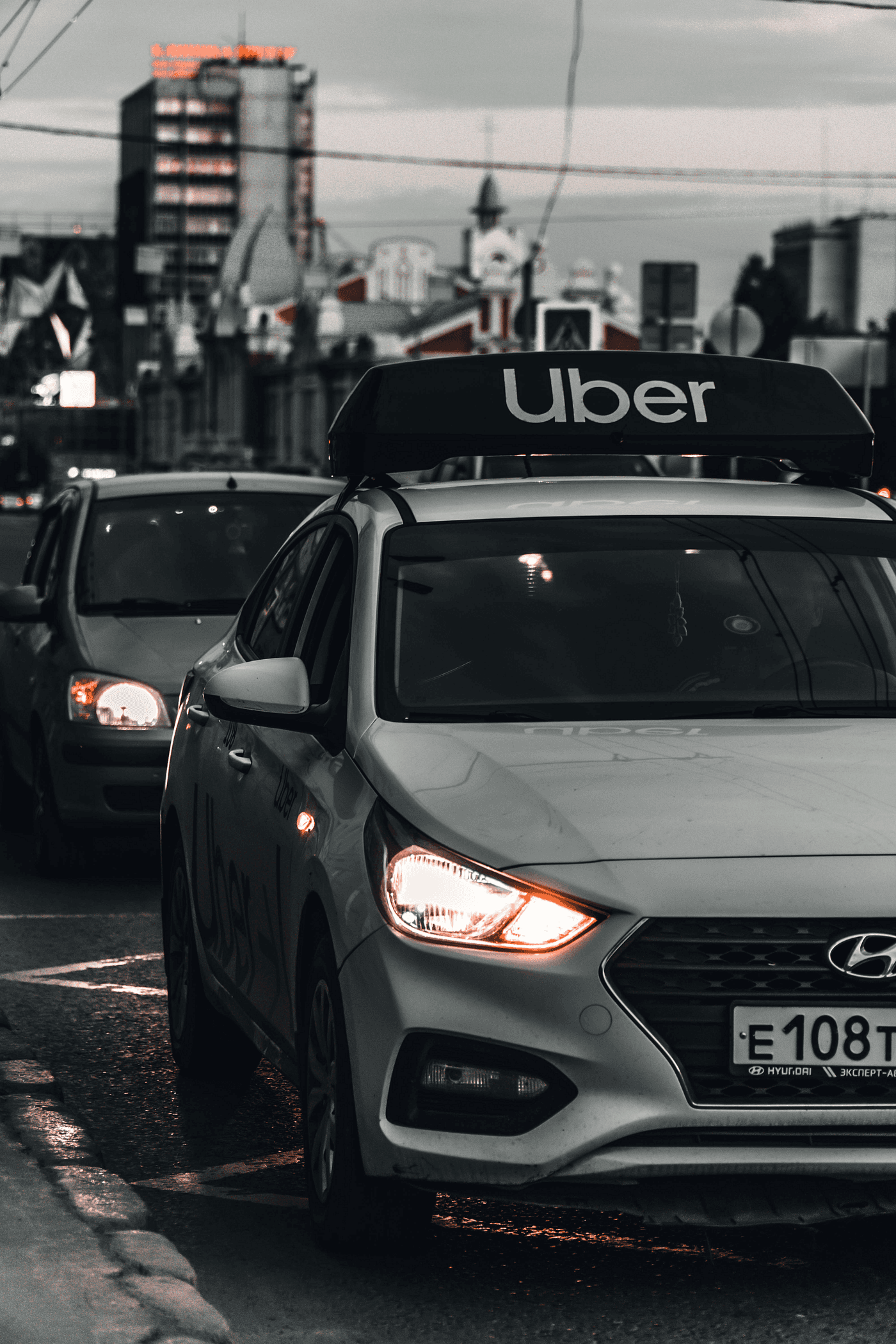
The visible, branded app experience — the one designers have spent decades crafting — may be heading toward a quiet retirement.
Which brings me to the question I keep coming back to, and haven’t found a satisfying answer to yet:
In a world where apps are either invisible or disposable, what happens to the people who design them?